Welingkar GDPI Experiences – Real Stories from Selected Students
Cracking the Welingkar (WeSchool) GDPI round is as much about understanding the process as it is about preparing well. Below, students who've been through it — across campuses, batches, and specializations — share exactly what happened in their Group Discussion and Personal Interview rounds, in their own words.
Before you dive into their experiences, here's a quick primer on how the Welingkar selection process actually works, straight from Prof. Deepa Dixit, Senior Associate Dean at WeSchool.
Welingkar GDPI Process | 3 Selection Steps for WeSchool ft. Prof. Deepa Dixit, Senior Associate Dean
Click here to start your CATKing GDPI Courses with SP Jain, NMIMS Alumni
1. Polati Vinay Rao – PGDM Retail Management, 2020–2022
It was my dream to do an MBA from a reputed institute, so I prepared hard for entrance exams. After the XAT results were announced, I applied to a few colleges and received a call from Welingkar. While preparing for the entrance exams, I was simultaneously preparing for GD and PI.
Tips that helped me clear the GD:
- Get rid of your fear of speaking — it's natural, and the only way past it is practice: mock GDs with friends or in coaching classes.
- Stay aware of what's happening in the business world.
- Read the newspaper.
- Prepare for abstract topics too.
- Try to initiate the discussion.
- Don't interrupt your peers while they're speaking.
My GD topic: Is India ready for driverless cars?
Tips for the PI:
- Know yourself.
- Why do you want to do an MBA? (a make-or-break question)
- Know your strengths and weaknesses.
- Stay aware of current affairs — following CNBC and reading the business papers helps a lot.
- Be ready for "Tell me about yourself" (another make-or-break question).
- Try to steer the direction of the interview.
- If there's a gap between your graduation and your MBA entrance, be ready to explain it.
My personal interview questions:
- Tell me about yourself.
- Why MBA after engineering?
- Some situational questions.
- Strengths and weaknesses, and which specialization I wanted, and why.
- About my hobbies.
2. Kumara Swamy – PGDM Rural Management, 2020–2022
My MBA dream started back in 2017. I'd planned to take the CAT, but family and personal circumstances got in the way. In 2019, while working at an NGO for rural development, the desire to pursue an MBA became stronger — and the work I did there is what pushed me toward Rural Management as a specialization.
- The road to an MBA isn't easy — first the entrance exam, then the interviews, and you only get a seat if you live up to the panel's expectations. My CAT prep was purely basics; I never had the luxury of time, so a week of revising fundamentals and solving model papers is what got me through.
- I'd applied to 7–8 colleges, and Welingkar was my top priority. By the time the interview call came, I'd lost every other opportunity — Welingkar was my final shot, and if it didn't work out, I was headed back to my job.
- Before making that peace with myself, I decided: give it everything, and let the rest take care of itself.
- COVID, oddly enough, was a blessing in disguise — it gave me a lot of extra time to prepare.
My GD preparation included:
Reading basic economics daily to stay aware of the country's economic landscape and pick up key terminology. Reading ethics, literature, and the philosophy of Socrates and Plato, which gave me useful ideas and analogies to explain different situations. And narrating my own story to myself repeatedly, so I wouldn't miss important parts of my journey when it mattered.
When the day finally arrived, the GD topic was: "Social media — boon or bane." I thought I was done for — I'd stopped using social media entirely and had no clue what was happening on it. So I split my approach into three steps:
Step 1. Narrate a real story that supports your stand.
Step 2. Bring in a quote from literature or philosophy.
Step 3. Conclude diplomatically, without taking a one-sided stance.
That structure carried me through the round, even though it wasn't an elimination stage.
The Interview:
I had no idea what to expect. It opened with the classic "tell me about yourself," and I spoke about my degree, my job, and my volunteering experience — which pulled the whole conversation toward my recent work with the Isha Foundation. Since those memories were fresh, and I'd spent months practising how to narrate my own story, it helped enormously.
Other questions I was asked:
- Why is Rural Management your first preference?
- What did you learn from the Isha Foundation?
- What do you aim to be?
These questions lined up neatly with my own experience, so I just spoke honestly, reliving every moment as if it had happened yesterday. I think that honesty — and the visible excitement about wanting this — is what got me through.
3. Kaustubh Dhar – PGDM Rural Management, 2020–2022
The Welcome: All students assembled in the auditorium for a briefing on the entire day. We were then grouped by roll number and taken to our respective rooms in a well-planned sequence.
The Group Discussion: While waiting outside the GD rooms, we were given chairs, with students admitted in batches of 10. The topic was current-affairs based. I struggled to get a word in at first, since three students were dominating the discussion, but I kept pitching in and eventually managed to voice my opinions.
The Personal Interview: Volunteers escorted students to their PI rooms by roll number. My interview lasted about 15 minutes and touched on my entire resume — my stream of interest, extracurriculars, and more. The panel was courteous and professional; at one point, when I choked up, they even offered me their own water.
All students were given snacks, a thoughtful gesture given the process stretched across 5–6 hours. The overall experience reflected careful planning by the college administration.
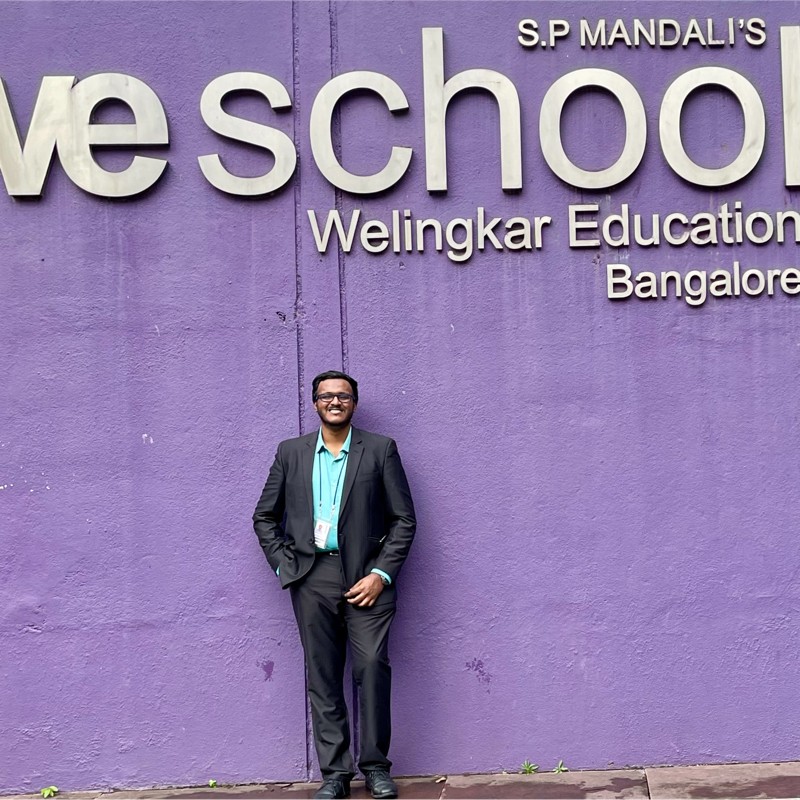
4. Kartik Kumar Patro – PGDM, 2020–2022, Bengaluru Campus
My GD-PI happened online — a new experience for me, and it all took place within a single day.
The GD round had 10 students, including me, on the topic "Democracy vs. Dictatorship," with two panelists moderating. We got two minutes to prepare and ten minutes to discuss. It went smoothly, with a good range of opinions. At the end, the panel asked everyone to conclude and said results would be shared via call. Some time later, I got the call confirming I'd made it to the PI round.
The interview was scheduled post-lunch, with two panelists — professors from the Mumbai campus. After introducing themselves, they started with "tell me about yourself" and my journey so far, then moved on to my graduation, college activities (about 10 minutes), and then my two years of work experience. Once that was covered, they asked why I wanted an MBA and how it would help my career — this portion ran about 20 minutes. By then we were near the end, and they asked if I had any questions. It went smoothly overall, helped along by a stable internet connection.
A couple of weeks later, I received a mail congratulating me on my admission to Welingkar. All the best!
5. Juhi Thanvi – PGDM Retail, 2020–2022
Back in 2019, like most candidates, I was prepping for multiple MBA entrance exams. I managed to clear CMAT in March and got shortlisted for Welingkar's GD-PI round. Before the big day, I reached out to alumni and current students to understand the process better.
I didn't over-prepare, since I'd been consistent with the basics from the start:
- Reading the newspaper regularly (Economic Times & Business Standard).
- Following current topics and forming my own opinions on them.
- Preparing answers to basic CV-related and hygiene questions.
I've always believed in consistent effort over going with the flow, so I brushed up my domain concepts and went in for my D-Day. There were multiple GD groups of 8–10 students each, and the student coordinators managed the crowd smoothly with proper badging.
My GD topic was "Is IPL giving rise to businesses in India?" Since I was well-read on the general landscape, I got in a few strong points with relevant examples. Not interrupting your counterparts is key — and it helps to remember this is a discussion, not a debate. After the GD, the panel asked us to summarize the discussion creatively in a one-page write-up.
We were then given food packets for lunch before the PI round began. My interview largely revolved around the essay questions I'd submitted earlier and my prior internship projects. I was also asked basic hygiene questions about:
- My strengths and weaknesses.
- My 5-year career plan.
- Who I am as an individual, beyond academics.
- Why Welingkar.
The panel also probed my domain knowledge with a few situational questions to gauge how I'd handle pressure. The interview lasted about 20 minutes. The pandemic hit the very next day, delaying our results — I finally heard back from WeSchool on 19th June 2020, and completed my admission within a week, starting my MBA journey that August. It remains one of the best decisions of my life.
A few tips:
- Be well-read; work on your vocabulary and grammar.
- Know your CV thoroughly and revise your core graduation subjects.
- If you have work experience, stay updated on your sector's growth, competitors, and trends.
- Know yourself well — do an honest self-SWOT before you walk in.
- Practice, practice, practice.
6. Priyaansh Shaah – PGDM Media & Entertainment, 2021–2023
Like every MBA aspirant, doing my MBA from a reputed institute like Welingkar was a dream. Alongside my entrance exam prep, I attended seminars at Welingkar where current students walked us through how to prepare for the interview — a nice touch, since it came from people who'd just been through it themselves.
After my CET results, I got the call for the GDPI round and couldn't contain my excitement — but excitement aside, it was time to perform.
GD preparation tips I followed:
- Read the newspaper daily — Economic Times, Mint, Business Standard.
- Practice GDs with friends.
- Watch the news, or at least the headlines, to stay current.
- Reach out to seniors for likely topics.
- Search online for common topics and key points to raise.
My GD topic was "Will the rise of automation create jobs or reduce them?" It went well, with everyone getting a fair chance to speak. Since there was no elimination round, we all moved straight to the PI.
PI preparation tips I followed:
- Know yourself well — if you have work experience, think through how you'll present it. Revisit your projects. If you're a fresher, revise your final-year project and be clear on your core concepts.
- Study the courses on offer.
- Brush up on MBA basics — Marketing, Finance, HR, Operations.
- Be ready for "Why do you want to do an MBA?" — it's guaranteed to come up.
All of the above came up in my PI, plus a few extras — like how many books I'd read, and why I'd picked the specific streams I had on my WeSchool application. After that, my PI concluded, and I was told results would follow.
With so many applicants, my heart was pounding the whole wait. Two weeks later, I got the mail: selected. I was thrilled, and couldn't wait for admission day to arrive. All the best!
7. Aditya Yadav – PGDM Rural Management, 2020–2022
After my BTech, Welingkar was always on top of my mind for an MBA. Making the CAT cutoff was a huge relief, and I applied to WeSchool soon after, completing registration and getting my GD-PI dates.
What I kept in mind while preparing for the GD:
- Read the newspaper daily — especially the editorial sections of Economic Times and Hindustan Times — along with headlines across all sections for a broad view of current developments.
- Keep an eye out for abstract GD topics; plenty of samples are available online.
- Maintain eye contact and communicate clearly and confidently.
- Body language matters, but in an online setting, keeping your camera on with proper formals is usually enough.
- Try to open or close the discussion where possible, while respecting everyone else's attempt to do the same.
- Keep contributing throughout — don't just make an opening comment and sit back.
- Pay attention to what others say, since it helps you build on the discussion and write a better summary afterward.
My GD topic was "Is India ready to become a cashless economy?" It went well, with everyone getting a chance to speak in an informative discussion. The panel ensured fair participation, and at the end, we wrote and submitted a short summary. From there, we went straight into the PI round.
Before the PI, I kept a few things in mind:
- Be honest and simple — most of the discussion is about you as a person.
- Prepare for the basics: tell me about yourself, why MBA, which stream, your dream job.
- The panel has your enrolment answers in front of them, so answer honestly the first time.
- Steer the conversation toward your achievements and strengths.
- Never fake anything — it's likely to backfire.
My panel had two members. They opened with the basics — tell me about yourself, why MBA — then moved to questions drawn from my application responses, followed by lighter questions about how I spend my free time and what success means to me. As my first-ever formal interview, it was a genuinely nice experience. Afterward, we were given snacks and told results would follow.
Our results were delayed due to Covid, but I was eventually shortlisted, got the call, and enrolled. All the best, and hope to see you on campus soon. Cheers!
8. Akshat – PGDM Rural Management, 2020–2022
Getting shortlisted for an MBA at Welingkar was a dream come true. During my entrance exam prep, I attended several seminars and webinars — including one at IIT Kanpur's e-Summit — covering whether an MBA really matters, job roles after an MBA, and lifestyle, which I found genuinely fascinating. The tips on interview prep resonated especially well, since they came from people who'd been through the exact same phase a few years earlier.
By the time my CMAT results came in, I'd already picked up experience across a few industries through internships — Future Group, an EdTech company, and an NGO.
My GD preparation:
My topic ended up being women empowerment, and reading Economic Times helped build my content. I was also part of a coaching institute where we practised GDs with classmates, reached out to seniors for likely topics, and used a few YouTube channels for tips on putting points across without cutting others off.
My GD, with a group of 12, went smoothly — everyone got a fair chance to speak, and the conclusion was drawn by someone who hadn't spoken much, as flagged by the panel. No one was eliminated, and we all moved on to the PI.
My PI preparation:
I'd built a strong profile through extracurriculars, internships, projects, and competitions, and connected the dots between my experience and my chosen PGDM specialization — explaining why I'd done specific internships, and how my final-semester subjects and projects tied into my future plans. I also did some basic research on the college's vision, mission, and the programs on offer.
Questions I was asked:
- Tell me about yourself.
- Why do you want to pursue a PGDM?
- What did you learn at your Future Group internship?
- Are you interested in rural management?
- Which companies work in the rural management space?
- What is the White Revolution?
- Who started the White Revolution?
- What is the Green Revolution?
Overall, the interview was satisfactory, though I lost a bit of confidence after fumbling the White Revolution question. When results came out, I was on the waitlist — but I was cleared in the third list, and it was one of the happiest moments of my journey. The entire process ran virtually, given the pandemic lockdown across the country, but it remains a memorable phase of my life.
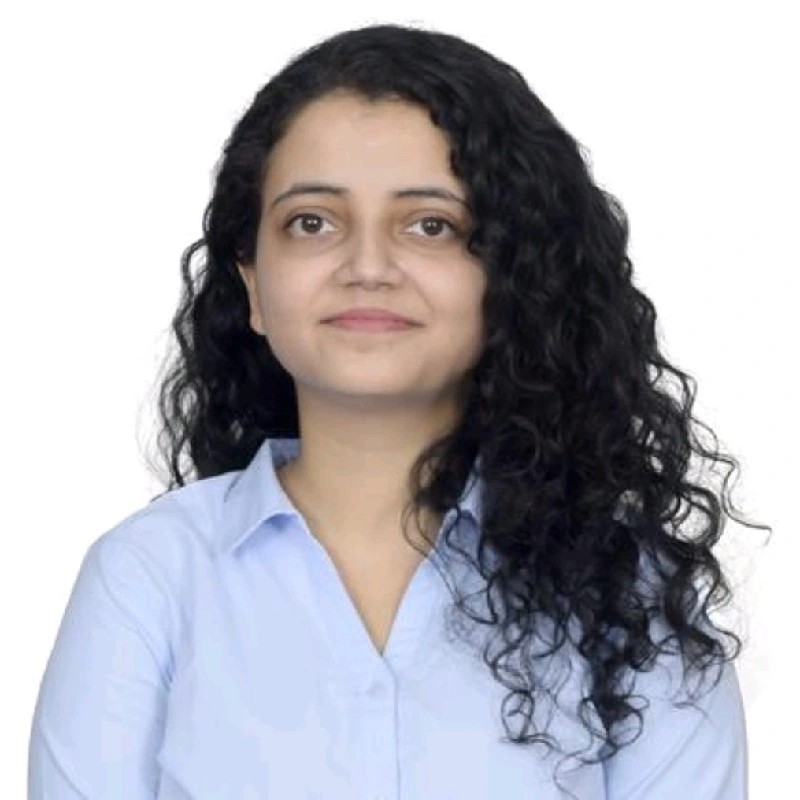
9. Arpita Phatak – PGDM Healthcare Management, 2020–2022
While pursuing my BBA in Hospital Administration, I set my sights on a college with a strong Healthcare Management program — Welingkar was at the top of my list. I prepared for CAT, CMAT, and more, and attended a Welingkar orientation session at my coaching centre in Indore, which taught me plenty about cracking the GDPI. My CMAT score got me the application in.
After the call came through, I was on cloud nine and dove into preparation.
For the Group Discussion, I focused on:
- Staying current through newspapers, videos, and magazines — especially the business section.
- Regularly practising GDs with classmates to build a structured flow of speaking.
- Researching potential topics and forming my own viewpoints in advance.
My GD topic was "Subsidy — good or bad for the economy?" It went very well, with a range of viewpoints backed by real-world examples — a genuinely engaging round.
For the Personal Interview, I focused on:
Thoroughly preparing everything my CV could raise, thinking through how I wanted to be perceived, and revisiting the major and minor projects from my college years, along with core business concepts from my BBA. If you're a fresher, don't worry — the right mindset matters more than anything else. I also brushed up on subjects taught in the PGDM Healthcare program and prepped a few likely questions.
My PI included:
- Tell me something about yourself.
- A few questions on the certifications I'd completed.
- Applying managerial concepts to given scenarios.
- Questions about my hobbies and my plans after the PGDM.
I walked out relieved and positive about my chances. A pandemic-driven delay pushed back the final list, but I got selected — and that's where my journey with Welingkar began. All the best for your own!
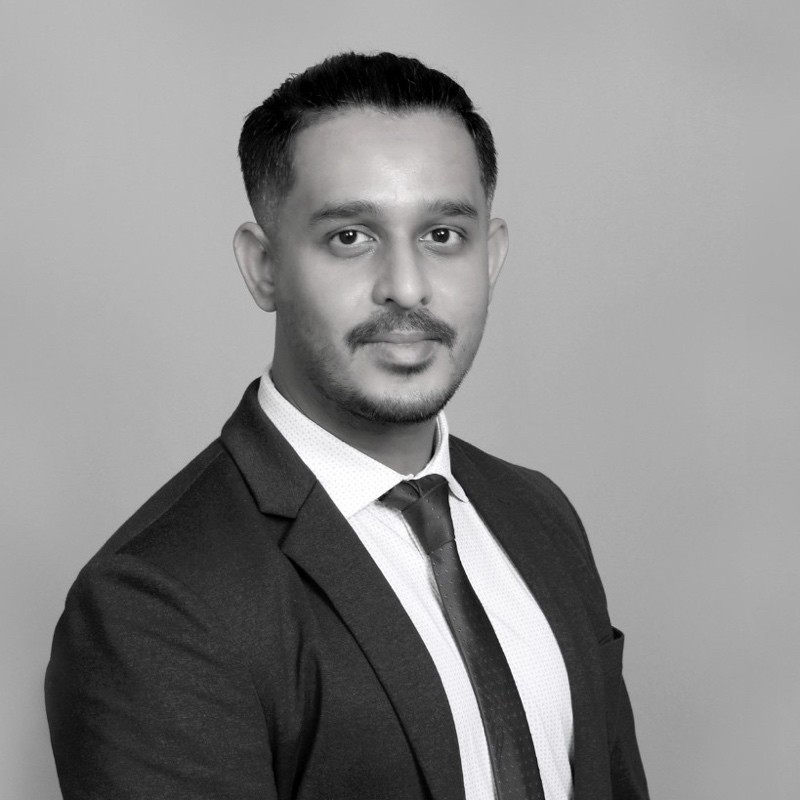
10. Avik Chattaraj – PGDM Rural, 2020–2022
I wanted exposure to business understanding, ultimately aiming for a business analyst role. After my entrance exams, Welingkar was my first choice for the B-school admission process, back in February 2020. With so many equally (or more) capable candidates around, it was clear hard work and a solid grip on current affairs were the only way through.
I stayed relaxed through the process, thanks to some prior experience and solid preparation. Student volunteers and professors guided us well from the moment we stepped in, followed by a briefing on courses and facilities, and a Q&A session.
My group had 10 members, and the topic was the pros and cons of blockchain technology. The GD-PI process started with registration, document verification, and an orientation to WeSchool's programs, before we were split into groups. The GD ran for about 20 minutes after 5 minutes of prep time, and went smoothly — boosting my confidence heading into the PI.
Personal Interview Experience:
Volunteers had us ready for the PI right after the GD, with refreshments provided. My panel — two senior industry professionals — put me at ease quickly with a casual chat about the process so far. The PI ran for about 40 minutes.
I was asked to introduce myself and talk about my work experience, along with why I was pursuing this program despite having prior IT industry experience. The panel listened carefully and followed up with clarifying questions, before moving to technical questions and then my hobbies. Since the panelists also had IT backgrounds, the conversation felt natural and comfortable.
I was thrilled to be selected for the Rural Management course on the Mumbai campus. It turned out to be an eye-opening choice — understanding how technology is applied across rural livelihoods broadened my whole perspective on the sector.
Key takeaways:
- The PI is heavily based on your CV and past work experience.
- Be ready to justify your chosen course and tie it back to your experience where possible.
- Be honest about your skills and past work — it's appreciated.
- Stay confident through both rounds.
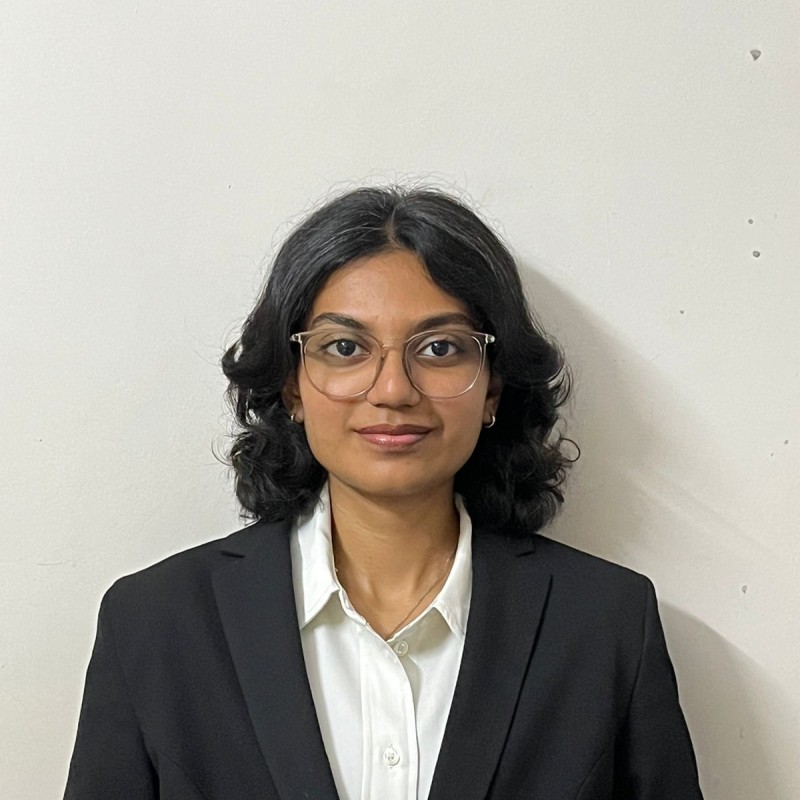
11. R. Samyuktha – PGDM in Healthcare Management, 2019–2021
Welingkar was the final stop in my B-school admission journey, so by the time I got there, I was well prepared and relaxed. I liked the look and feel of the Mumbai campus right from the moment I stepped in, and the student volunteers and professors guided us well through a briefing on courses and facilities.
My group had 10 members, and our topic was the pros and cons of blockchain technology. We got a notepad, a pen, and 5 minutes to jot down our thoughts before the discussion began. I took the stance that it was advantageous and built my points in that direction — the discussion stayed professional throughout, with everyone getting a chance to contribute.
Personal Interview:
My turn finally came, with two panelists. I was asked to introduce myself and talk about my work experience, along with why I'd chosen the Healthcare program specifically. The panel was friendly and asked clarifying questions based on my answers.
Since I had some interest in stock market technical analysis, they asked me to explain a few analysis methods, before moving on to my hobbies — reading, in my case — and my favourite authors and books.
I enjoyed the PI because I got to talk about things I was genuinely interested in. After an anxious wait, I was thrilled to be selected for Healthcare Management on the Mumbai campus — an exciting start to a journey in a fairly new industry.
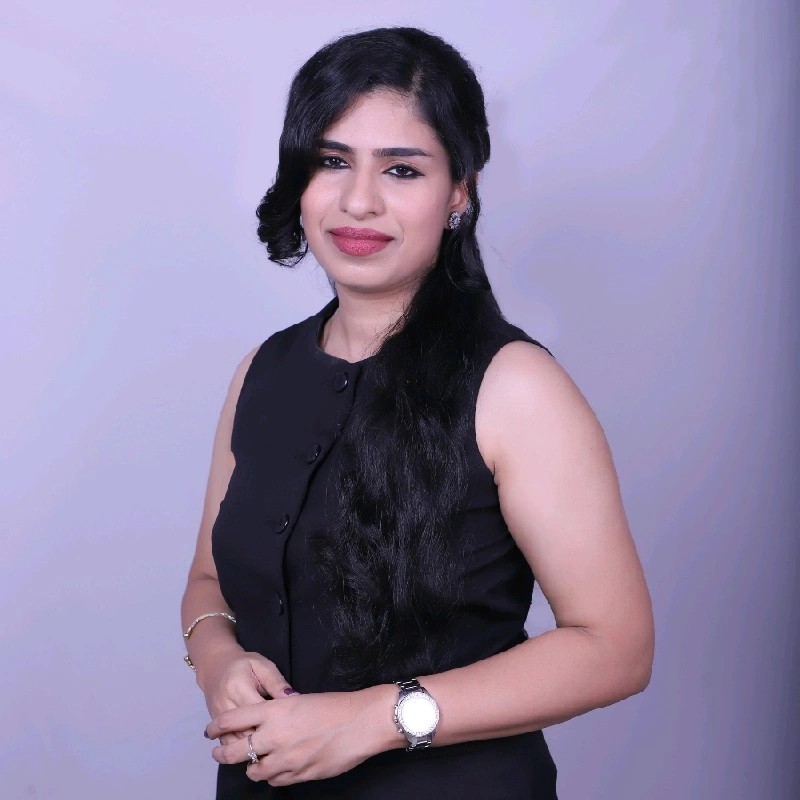
12. Reshma Xavier – PGDM, 2018–2020
Like most aspirants, doing an MBA from a reputed institute like Welingkar was my dream. Alongside my entrance exam prep, I attended seminars where current students explained how to prepare for the interview.
After my CET results, I got the call for the GDPI round and was thrilled — but there was still work to do.
GD preparation tips I followed:
- Read the newspaper daily — Economic Times, Mint, Business Standard.
- Practice GDs with friends.
- Watch the news, at least the headlines.
- Reach out to seniors for likely topics.
- Search online for common topics and key points.
My topic was "Will the rise of automation create jobs or reduce them?" It went well, with everyone getting a fair chance to speak. Since there was no elimination round, we moved straight to the PI.
PI preparation tips I followed:
- Know yourself well. If you have work experience, think through how to present it. If not, revise your final-year project and be clear on your core concepts.
- Study the courses on offer.
- Brush up on MBA basics — Marketing, Finance, HR, Operations.
- Be ready for "Why do you want an MBA?" — guaranteed to come up.
Everything above came up in my PI, plus a few extras — how many books I'd read, and why I'd chosen certain streams over others. Then came the anxious two-week wait, followed by the selection email. I was overjoyed, and admission day couldn't come soon enough. All the best!
13. Uttkarsh Ashar – PGDM Media and Entertainment, 2019–2021
Group Discussion — Topic: "Is GST beneficial for the Indian economy?"
We got about 2–3 minutes to gather our thoughts and jot them down, followed by 10–15 minutes of discussion.
- Focus on adding relevant points (without being aggressive) and keeping the group from getting stuck on one point — the goal is a genuine exchange of opinions.
- The panel encourages the group to sum up and agree on a few final points, for or against the topic — ideally just one stance.
- If the group ends in disagreement, that counts against you — the majority needs to try and bring the rest around.
- Adding to the discussion, staying civil, and moving things forward all help you stand out. Tip: take the initiative to summarize everyone's points and structure the conclusion clearly.
Personal Interview:
Having worked in advertising for about two years, most of my interview was CV-centric, focused on the projects I'd worked on.
Q1. Tell us about your journey and why you're the right candidate for the PGDM at Welingkar.
I did my schooling at St. Joseph's High School in Wadala, then Junior College and my undergrad at R.A. Podar College, part of the S.P. Mandali Group. Like many commerce students, I attempted the CA exams and got fairly close to clearing the first level, then decided against continuing. In my final year, I interned in Copywriting at Leo Burnett, but was picked instead for the Brand Strategy team. I joined them full-time after graduating and worked there for about two years, before deciding it was time to formalize my management education.
Q2. What did your role at Leo Burnett actually involve?
I was part of the Experiential Marketing division, starting as a contractual Brand Consultant before becoming a full-time Brand Associate in Strategy. My work centred on understanding what would work for a brand in the events and activation space, building a holistic strategy around market, consumer, and industry insights.
Q3. An example of a project you're proud of?
Honestly, I'm proud of most of what I did there. The scale of the Publicis network meant I got to work on pitches across industries, especially Automotive and Technology — both areas I've always been personally curious about, which made those projects especially rewarding.
Q4. Anything specific in the technology space?
There was a pitch for a leading global e-commerce retailer (can't name it, for confidentiality) looking to expand into Tier 2 and 3 towns after succeeding in metros. Working with a top research agency, we discovered a popular ticketing agency/cyber-café network that already held strong local trust. Our strategy was to partner with them for temporary pop-ups, leveraging that existing trust to build familiarity for the e-commerce brand. It wasn't rolled out nationally, but it succeeded strongly where it was piloted, and taught me a lot as a strategist.
The panel then asked about my family background and how it had shaped my decision to pursue further studies, before wrapping up and wishing me luck.
Key pointers that worked in my favour:
- Be well-groomed and prepared — obvious, but worth repeating.
- Stay cheerful and maintain eye contact throughout.
- Treat the interview as a conversation that builds on your own answers.
- If you don't know something, say so — don't bluff.
- Be honest at all times; panelists can spot a bluff instantly.
14. Reshma Xavier – PGDM, 2018–2020 (Placement Journey: Infosys)
A journey to Infosys…
Getting placed is what every B-school student looks forward to, and after getting into Welingkar, my next goal was a strong campus placement. With so many equally capable candidates around, hard work was, again, the only way through.
I started early — even in my first year, I connected with seniors for resume feedback and interview tips. By the time I returned from my internship as a second-year student, my resume was nearly ready; I just had to tailor it to specific requirements.
Tips for resume building:
- Be clear on what you want to showcase before you start building.
- Use relevant keywords — many resumes get filtered algorithmically first.
- Include numbers that demonstrate your impact.
- Understand each company's specific requirements before applying.
- Get your resume reviewed by seniors and professors — it helps enormously.
Once my resume was ready, I waited for companies to arrive. After a few others, Infosys came in, offering multiple profiles to apply for.
The selection process had four rounds:
- Psychometric Test
- Resume Shortlisting
- Main Interview
- HR Interview
The psychometric test covered role-based and decision-making questions — reading through case studies helped a lot in prepping for it.
My Personal Interview covered:
- Tell me about yourself.
- Questions on my work experience.
- Why I chose the PGDM-BD stream specifically.
- What is Design Thinking?
- My hobbies (mentioned on my resume).
- Details of my MBA projects.
- My certifications.
Since I had 2.5 years of work experience, most questions revolved around that.
A few tips to keep in mind:
- Be very proactive.
- Practice interviews with professors and seniors beforehand.
- Talk about the latest technologies the company uses, and how your projects align with them.
- Since it's an IT firm, brush up on technical terminology.
- Stay alert throughout.
- Before the interview, understand the qualities they're looking for — usually covered in the company presentation.
The HR round covered query resolution, verification, and details about location and training. A few hours later, the results were out — I was selected. That was my journey to Infosys. Hope it helps with yours. All the best!
15. Aarya Gupta – PGDM EBIZ, 2020–2022
Because of Covid-19, my interview happened over Zoom. The meeting link came a day in advance, and I had an afternoon slot with two panel members, both WeSchool faculty. After a quick audio check, the process began. Since it was online, my "GD" was replaced by an extempore — I had to speak on a given topic for 5 minutes.
Panel: "Speak about the importance of leadership skills. Your time starts now."
Me: I spoke for 4 minutes, using examples like Ratan Tata and Narendra Modi.
Panel: "Would you like to add something, or conclude? You still have a minute."
Me: Gave a short conclusion.
Interview Round:
Panel: What's the best innovation of all time?
Me: The internet.
Panel: A few examples of recent products or services that have changed our lives drastically?
Me: Ola and Uber, e-learning platforms (I could have listed more, but I was a little nervous).
Panel: You've mentioned CRM in your response sheet — tell us why it's important.
Me: I know a little about it, but I think it's important to maintain good relationships with customers — both to win new ones and retain existing ones. Most businesses today use it to identify sales opportunities and stay connected through email marketing, sales calls, and more.
Panel: Why PGDM from WeSchool?
Me: I always wanted to do my MBA from a good college, and getting in isn't easy these days. WeSchool was my first choice based on my entrance score, and it has strong faculty — seniors I spoke to gave it good reviews too.
Panel: Why EBIZ?
Me: It wasn't my first choice, but the pandemic has shown how essential it is. Almost every business now has an online presence, and e-business has huge potential going forward, which is why I opted for it.
Panel: What are your hobbies?
Me: I like reading novels — Khaled Hosseini is one of my favourite authors. I also play guitar and sing, though I'm not trained. This lockdown also got me into cooking and painting.
Panel: Any questions for us?
Me: Since this interview was on Zoom, I had one — there's been a lot of controversy about Zoom's safety, especially with politicians using it too. Should we continue using it, or move away?
Panel: "Yes, I've heard that too. I'd say it's like a knife — you just have to be careful with it."
The interview ended warmly, with both panelists wishing me luck.
16. Eva Maheshwari – PGDM, E-Business, 2020–2022
With the coronavirus wreaking havoc worldwide, and schools and colleges shut, there was a mad scramble to make up for lost time through online learning and admissions. With traditional admission routes off the table, I — like most students — was frantic, looking for any silver lining during such a difficult time. The online admission process turned out to be exactly that.
My entire admission process ran smoothly. I remember calling and emailing repeatedly whenever I had a query, and WeSchool's admin team was consistently prompt and helpful.
My GDPI was scheduled for the morning shift, with the link sent shortly before reporting time. I was nervous, since it was my first-ever online interview. The panel — two college faculty members — briefed me on the process, which had two parts: a 5-minute extempore first, followed by the PI, covering my course preferences and how the Coronavirus crisis was affecting the current business landscape, among other questions. The whole interaction ran seamlessly for about half an hour, and both panelists were genuinely warm throughout.
What struck me most was how hassle-free it all was — no queues, no travel to an unfamiliar city, no unfamiliar surroundings. Just sitting in front of a screen at home, in formal attire, was all it took to become part of this institution.
17. Sheetal Sippy – PGDM Healthcare, 2019–2021
After the whirlwind of entrance tests, getting a GD-PI call from a college of your choice is exciting, but nerve-racking. I received my call from Welingkar in Phase 1, and since Healthcare was at the very top of my preference list, I wanted to give it everything I had.
The Group Discussion opened with ground rules laid out by two approachable panelists. Our topic was "The Indian Banking Sector." We were briefed on time limits in advance and asked to maintain decorum — around 8 students per panel, which led to a genuinely healthy discussion with everyone getting ample time to speak.
I was then called in for the interview, with two male panelists. Nervous energy took over as soon as I walked in — this program mattered a lot to me — but the panel gave me a moment to settle in. The interview opened with general questions about myself, my academics, my work experience, and my interest in healthcare and extracurriculars, before moving into questions on government insurance schemes and their pros and cons.
I spoke about the Ayushman Bharat (Pradhan Mantri Jan Arogya Yojana) scheme and its benefits to India's healthcare system, followed by a discussion on the loopholes in the scheme, where I got the chance to elaborate on my own views. The panel said I had an interesting take, and gave me the space to explain why I wanted to be part of this program.
Overall, the campus had a very positive energy, with student volunteers guiding us at every step. The process was smooth throughout, and I never once felt lost or left without information. Full credit to WeSchool's team for making a stressful process feel this welcoming.
18. Khushi Singh – PGDM EBiz, Bengaluru Campus, 2020–2022
GD Topic: Does India winning or losing a cricket match impact brand value?
About 10 of us sat according to our allotted numbers in the GD room, and were handed a pen and paper with the topic written on a card. After a bell, we got 5 minutes to think and jot down notes, followed by 10 minutes of discussion, and another 5 minutes to write a conclusion.
We were then split into two groups for the Personal Interview, each with two panelists.
Panel: Good afternoon! So, tell me about yourself?
Me: Gave my biodata.
Panel: I see you prepared for UPSC — tell us something about that?
Me: Explained everything.
Panel: What did you learn from that setback?
Me: Talked about the positives I took away from the journey.
Panel: Which subject was your favourite during your prep?
Me: Economics — my strongest area.
Panel: Good. What are the three sectors economies are typically divided into?
Me: Primary (Agriculture), Secondary (Industry), Tertiary (Services).
Panel: How much does the services sector contribute to the Indian economy?
Me: As per the 2019–20 Economic Survey, around 55% of GDP.
Panel: What do you mean by e-business, and can you give examples?
Me: Explained everything.
Panel: Despite reporting losses, why do companies like Uber keep investing so heavily in India?
Me: Answered, though the panel didn't seem fully convinced.
Panel: What are some of your strengths?
Me: Answered confidently.
Panel: Why an MBA and not other government exams?
Me: Explained my reasoning, and they seemed satisfied.
Panel: If you don't get through here, what's your backup?
Me: Try other MBA colleges.
Both panelists smiled and wrapped up with good wishes.
Hear It Straight From Selected Students
Sometimes the best prep isn't a checklist — it's hearing how the real thing actually felt. In this video, four students who cracked the Welingkar GDPI walk through their experience, panel by panel.
How to Crack the Welingkar Interview ft. Nandini, Ajith, Vishesh, Rutuj | Interview Experience
Register here to convert your Welingkar call with CATKing
More GDPI Experiences
19. Ritu Gupta – PGDM Rural Management, 2020–2022
Getting placed in a B-school is what every MBA student looks forward to, and I was one of them. After giving my MBA entrance exams, Welingkar was the first stop in my B-school admission journey, back in February 2020. The road wasn't easy — there were plenty of candidates with equal or even more potential than me, so it was clear that hard work was the only way through.
- I was well prepared and had some prior experience, so I wasn't nervous and stayed relaxed through the process.
- As soon as I stepped in, the student volunteers and professors guided us well. There was a brief session with faculty and current students about the courses and facilities on offer, along with a Q&A. After that, we were allotted our GD rooms and asked to wait for our turn.
- My group had 10 members, and our topic was: "Is the Mars mission justifiable for a country like India?"
- The GD-PI process began with registration, followed by document verification and a presentation orienting us to WeSchool's various programs. We were then split into groups for GD-PI.
- The panelists seemed friendly. We were given batch numbers for the GD session, and marks were allotted accordingly. The GD started with a bell, after 3–5 minutes of prep time, and ran for about 20 minutes. My session went well — it wasn't overly aggressive or chaotic, which gave me confidence heading into the PI.
Personal Interview Experience:
- As soon as our GD session ended, volunteers had us ready for the PI, with room details and some refreshments provided.
- My panel was two elderly gentlemen who put me at ease within minutes with casual conversation about how the process had gone so far. The PI ran for about 40 minutes.
- I was asked to introduce myself and talk about my work experience. They also asked about the program choices on my application — specifically, why I'd chosen the rural program — and listened carefully, following up with clarifying questions.
- From there, they moved to some technical questions, then on to my hobbies. Since I enjoy reading, they asked about my favourite authors and books.
- I liked the PI because I got to talk about things I'm genuinely interested in, so the questions never felt uncomfortable. After an anxious wait, I was thrilled to learn I'd been selected for the Healthcare Management course on the Mumbai campus — an exciting new chapter in a relatively new industry, and the journey has been eventful ever since.
Key takeaways:
- The PI round is heavily based on your CV.
- Be prepared with clear points on why you want to pursue your chosen course at WeSchool.
- Be honest about your skills and work — panelists appreciate it.
- Smile and be confident.
20. Santosh – Personal Interview
Two panelists — one in his 60s, one in his 40s.
Panel: Hi Santosh, how are you doing — had lunch?
Santosh: I'm good, sir. Yes, had lunch — Welingkar provided it.
Panel: Tell me something about yourself, Santosh.
Santosh: I'm a pharmacist by degree, graduated in 2016. During college, I was part of the Placement Committee, participated in district-level CSR activities, and won a few intercollege dance competitions. I got campus-placed as a Clinical Data Manager at TCS and worked there for 15 months, before moving into management-adjacent roles — a 3-month stint as Project Coordinator for a Vodafone-sponsored NGO, followed by my current company, CATKing Educare, a coaching institute, where I started in Business Development, moved into HR, and last year contributed to 20% of company revenue, which got me promoted to Head of Operations. I've also been with the NGO AIESEC for a couple of years.
Panel: What is AIESEC, and what do you do there?
Santosh: It's the world's largest youth-run NGO, present in 126 countries. I work with the Incoming Global Volunteers vertical, running projects from rural women's empowerment to teaching underprivileged children. I lead one of these projects — from promotion, to interviewing volunteers, to visas and accommodation, right down to day-to-day planning.
Panel: Interesting. What are two learnings from a recent book you've read?
Santosh: First, that you should always stay ready to learn — keep the fire to know more alive. Second, that staying grounded regardless of your position matters — modest people tend to do remarkable things.
Panel: Why Healthcare, after experience in marketing?
Santosh: I've always been drawn to the pharma world, sir, but at TCS I leaned toward the management side of things, and found it far more fulfilling — so I decided to pursue that direction.
Panel: And why an MBA?
Santosh: Honestly, I never planned on one — it was working alongside MBA graduates from IIM Indore, SP Jain, and NMIMS that showed me the gap in my theoretical knowledge. Once I researched further, I found the dedicated Healthcare MBA, and that pulled me in even more.
Panel: So that's why you applied only for Healthcare.
Santosh: Yes, sir — though given the option, I'd have liked to explore Media too.
Panel: Two things essential for an organization's sustenance, beyond sales?
Santosh: Employee welfare, and staying current with the latest trends.
Panel: Any pharma companies doing digital marketing well?
Santosh: I think most companies are into digital marketing now — it was a bigger differentiator a couple of years back; today everyone's doing it, so the real edge lies in doing something genuinely new.
Panel: Your personal and professional long-term goals?
Santosh: Personally, I'd love to set up an animal hospital — a city like Mumbai has just one. Professionally, I see myself in a leadership role at one of the world's top companies.
Panel: Does the green hair make you feel more confident? (smiling)
Santosh: I coloured it a month ago — wasn't expecting a GDPI call, or I'd have held off! But yes, it does add a bit of extra confidence. (The panel laughed and said they weren't judging the hair colour at all.)
Panel: Two things you value most from your work experience?
Santosh: People management — I learned that firsthand managing 10 teachers who taught English to underprivileged BMC school kids through the Vodafone-sponsored NGO.
Concluding note: Just stay positive — things can go wrong, sometimes for reasons entirely outside your control, but how you respond is what really matters.
21. Aditya – Personal Interview
Panel: How was your day, had lunch?
Student: It was fine — Welingkar gave us refreshments too.
Panel: How was your GD? What was the topic?
Student: Since tomorrow is World Women's Day, it was Women in the Workforce.
Panel: Did women dominate the discussion?
Student: No, there were only three of us, but it went really well.
Panel: Your views on women's empowerment?
Student: Until the mindset around gender-defined work changes, nothing really shifts. Around 67% of India is rural, and the prevailing notion there is often "why send women to work?" — that needs to change.
Panel: Why did you leave your job?
Student: I felt entry-level roles weren't letting me use my abilities fully.
Panel: Everyone starts from scratch in any profession, though.
Student: True, sir — but the credibility that comes with a post-MBA role is different, and typically higher.
Panel: So what are your strengths?
Student: Good leadership, handling pressure well, and being a good listener. I actually developed my listening skills after struggling with a stammer in school — since no one really let me talk much, listening became my strong suit, and it shaped my writing too.
Panel: That's absolutely fine — I was a stammerer too, right up through graduation. And you're clearly not one now. I'm glad you turned that weakness into a strength.
Panel 2: I thought you'd ask him how he overcame it.
Student: No, sir — I'll ask him that once I'm actually at WeSchool!
Panel: So you must have a lot of friends?
Student: Yes — and my writing eventually turned into content writing, and I've worked on a few projects with known production houses.
Panel: Do you know about the economic slowdown, and what's driving it?
Student: Mainly the NBFC crisis and the real estate bubble burst — we have around 18 lakh crore worth of unsold inventory, and companies paying 16% tax against 9% growth.
Panel: How is share price determined?
Student: I don't have much information on that, sir.
Panel: That's fine, just asking. What will you choose once you're here?
Student: Marketing — I'd love to work on being more presentable and fluent.
Panel: Why e-business?
Student: I've seen colleagues at my company struggle without strong systems knowledge, which pushed us all to become more techno-savvy. I picked up SAP and our suggestion-scheme portal quickly, and people noticed I had a knack for learning new software.
Panel: Were you on the SAP ABAP or functional side?
Student: Functional — things like PO and GR, though I didn't have direct account access myself.
Panel: Nice meeting you, Aditya! Any questions for us?
Student: No, sir.
Panel: Thank you, Aditya.
Anonymous Student Experiences
The following experiences were shared without a name attached — still real, still worth reading.
22. Anonymous – NC-OBC, Non-Engineer (Agriculture Stream), 83.65 Percentile, 6 Months Work-Ex – Mumbai Campus, 11th Feb, 8:15 am
- Entered the building — there were plenty of coordinators around to help with the tasks, and they were genuinely helpful.
- Completed registration and other important formalities (if you have work-ex, don't forget your experience letter).
- You're given a blue "process card" on which your GA and PI numbers are noted, and the whole process runs off that.
- On the 5th floor, there was an introduction to the college, and the lecturers answered all our questions.
- GA and PI both happened on the 6th floor.
- We were given snacks and a drink (it felt a bit promotional, since the program cost ₹3,000).
- We were assigned serial tags 1–8 for the Group Activity, along with a small letter pad and a pen.
- Our GA was a case study on beauty and personal care, with some data and graphs. The question was about barriers and supporting ideas for new companies entering the market.
- We got 5 minutes to jot down points, followed by a 15–20 minute group discussion among the 8 of us. You never know how the others in your panel will perform, so my advice is: be the one who starts the GA, and state your points confidently and loudly. Don't keep looking at the panelists.
- Then we waited for the PI.
- Panel: two male panelists, 50+ and 35+, both chill and supportive.
- Started with the classic "tell me about yourself," followed by questions about family and background.
- They asked several work-ex related questions and were especially keen to understand my academics, since I'm an agriculture graduate with relevant work experience.
- Then came "Why MBA, apart from your job?" (I spoke about some achievements at work), followed by "Why Business Analytics?" (my second preference).
- They asked how I've dealt with data in my job role and what changes I brought about in my firm.
- There were a few moments where I confused them, and a few where they confused me — mostly my own misunderstanding.
- I'd missed a full stop in the essay-writing section of my application for Data Analytics; they underlined it and asked me to complete the sentence.
- Finally, they asked why Welingkar, whether I had other calls, and a few hypothetical questions about which college I'd choose if I converted multiple calls.
- The interview ended on a positive note and lasted about 20–25 minutes in total.
- Overall, it was a chill, conversational interview with maybe 10% grilling — supportive panelists, helpful staff and coordinators, and a pleasant (if slightly crowded) campus.
23. Anonymous – GD-PI Experience, "Mars Mission" Topic, 9th February 2019
Like most MBA aspirants, I felt the jitters walking into the GD room. Thankfully, the student volunteers and professors made it easy with their approachable attitude, and the process itself was smooth and well-coordinated.
The GD-PI process started with registration, document verification, and a presentation orienting us to WeSchool's programs, before we were split into groups. The panelists seemed friendly and gave out batch numbers for scoring. The GD started with a bell after 3–5 minutes of prep time, and ran for about 20 minutes — my session stayed calm and constructive, which boosted my confidence going into the PI.
Personal Interview Experience:
Volunteers had us ready for the PI right after the GD, with room details and refreshments. My panel — two elderly gentlemen — put me at ease quickly, and the interview ran for about 40 minutes.
Some of the questions I was asked:
- Tell us something about yourself.
- Tell us about your work experience.
- What challenges did you face at work, and how did you overcome them?
- Why do you want to pursue an MBA?
- You've applied to three programs at WeSchool — what was your thinking there?
- You've applied for the Business Design program — can you talk about the design thinking approach, and how you think it's been applied to WeSchool's own campus?
- Tell us about your favourite book, or any books you've read recently.
- What's your greatest achievement?
- What are your hobbies?
- Any questions for us?
Key takeaway:
- The PI round is heavily based on your CV.
- Be ready to justify your chosen course at WeSchool.
- Be honest about your skills and work — it's appreciated.
- Smile and stay confident.
24. Anonymous – GD-PI Experience, "Branding Is Nothing, It's All About the Product"
I had a great set of panelists for this one. The GD topic was "Branding is nothing, it's all about the product." There was no fixed prep time — students spoke whenever they felt ready, and everyone got their points across without any chaos in the room.
Right after that, I was called in for the Personal Interview. The panel had two members (one male, one female), and the very first thing they said was: "Relax." From there, they asked why I wanted an MBA, had me introduce myself, then moved into my job experience, and eventually asked me the current USD/INR exchange rate and why it was falling. The interview wrapped up shortly after.
25. Anonymous – GD-PI Experience, Creativity Test on "Magic"
Creativity Test topic: Magic (the worst possible word for me at the time) — but I'd prepared for the worst, which really helped. After a 30-minute wait, we were taken to registration, allotted our rooms, and then moved to the GD room.
Walking in, I saw two elderly panelists whose expressions suggested they'd been at this a long, tiring day. The GD topic was "Do Indians perform better as individuals or in a group?" Again, no fixed prep time — everyone spoke as they felt ready, and the round stayed civil throughout. I was then called in for the PI.
Personal Interview Room:
The panel — two friendly professors — opened, as usual, with "relax." Then:
- They asked about my college.
- They asked whether I thought Colgate makes false promises in its advertising. I said I wasn't sure about Colgate specifically, but I didn't think products like Bournvita, Complan, or Boost genuinely made kids "strong" — a good nachni ka laddoo probably does more. They laughed, hard.
- They followed up with "What about Fair & Lovely?" I said I had no real opinion, since I'd never used it — happy with my own complexion. More laughter.
- They asked me to explain the difference between Finance and Accounts, and I admitted I didn't know. One panelist, who came from a corporate finance background, joked that I was sitting in front of an "accounting genius" and wouldn't be allowed into his class with an answer like that — I said I'd study his notes, search online, and keep asking for extra help until I understood it fully. More laughter.
- They then asked about my work with the Rotaract Club (one of the panelists was a Rotaract member himself), followed by questions about my hometown, Nagpur, why I wanted an MBA, and why I'd applied only to Welingkar.
The interview wrapped up with: "You did very well, but we can't guarantee anything — hope for the best, and best of luck."
26. Anonymous – GD-PI Experience, 19th May, 9:00 am Reporting
I woke up at 8:50 (a 20-minute commute to campus) and still made it in by 9:30 — and thankfully wasn't turned away. We were split into groups after a 30–40 minute session where the college walked us through their courses — Retail, Healthcare, Rural Development, and more. They asked if anyone had questions and even offered "+5 marks" to anyone who did (no marks were actually added, in the end, but it did get a few hands up).
We were then taken to a GD room with 10–12 people, given a choice of two topics, and settled on: "What matters more for a country like India — industrial development, or environmental protection?"
I opened the discussion and tried to bring some structure to it. After me, a girl spoke confidently and made her points, before another student started contradicting almost everyone else's statistics, clearly trying to grab the panel's attention — a bit aggressive, in my view. The panel was an elderly lady and a visibly disinterested man who looked half-asleep through most of it.
Interview Room:
The person ahead of me took a good 20–30 minutes, which had me a little nervous by the time it was my turn. My panel had two professors — call them P1 and P2.
Me: Hello.
P1, P2: Hello, so tell me something about yourself?
Me: Gave my biodata.
P1: So you did a BA in Economics?
Me: No sir — well, yes, sir, but I also completed Aircraft Maintenance Engineering as a full-time, licensed course.
P2 (impressed): That's great — engineering and a BA together. What did you learn during your OJT, as mentioned here?
Me: Explained everything.
P1: Why an MBA, then?
Me: Knew this one was important — nailed the answer, and they looked convinced.
P1: What do you understand by inflation?
Me: (Wasn't expecting that one) — sorry, sir?
P2: He's asking what you understand by the term "inflation."
Me: Explained it as best I could.
P1: If you were a financial advisor to Pranab Mukherjee, what would you do to strengthen the rupee?
Me: Explained, to which he replied he wasn't interested in the marketing angle.
P1: Tell me about CR.
Me: Gave a partial answer.
P1: (Stopped me and explained it correctly himself.)
Me: Thank you, sir.
P2: Books you've read?
Me: "A Thousand Splendid Suns."
P1: (Poked fun at the title, then asked me to narrate the story.)
Me: Explained it.
P2: Nice storyline.
(P1's phone rang.)
P2: What do you understand by "biz design"?
Me: Sir, honestly I'm only interested in core MBA, with a Marketing specialization.
Both professors shook my hand, and the interview wrapped up.
27. Anonymous – Sample Question Set (Fresher, Engineer)
- Introduce yourself.
- Are you nervous?
- Have you heard of Ashoka University?
- How should universities conduct exams in the current times?
- If exams are cancelled, how should students be evaluated instead?
- How do you stay updated?
- Social media — boon or bane?
- How do you protect yourself from the negative side of social media?
- Tell us a piece of news that isn't about Covid.
- Do you love animals? Why don't they commit suicide?
- I see you've applied for the PGDM on both campuses.
- Tell us about a time you played an important role in something.
- What do you understand by "leadership"?
- Name an HR professional you admire, and which of their traits stands out to you.
- Name the current Finance and Home Ministers.
- A few more personal questions.
28. Anonymous – Work-Experience Focused Interview
- Tell me about your work experience.
- What you learned from it, and how it'll help you personally and professionally.
- Your hobbies, and what you've learned from them.
- More questions tied to your experience.
- Why PGDM?
- What drew you to RBA (as a second preference)?
- What is IoT, and what does Industry 4.0 mean?
- Why MBA after engineering?
- A few situation-based questions.
- How would you define yourself as a leader?
Duration: Approximately 30 minutes. The interviewers stayed relaxed throughout, but kept probing until they'd covered every angle of my background and work experience.
Tip: Reread your application and descriptive essays carefully before your interview, and stay ready for the unexpected.
29. Anonymous – Fresher, Engineer (Two Female Panelists)
Young, friendly panel.
- Tell me about yourself.
- Why MBA? Describe an incident that pushed you toward management education.
- Why PGDM Core first, and other streams after?
- Who's your role model?
- Your hobbies?
- Strengths and weaknesses?
- Where do you see yourself working in future — which job roles, which verticals?
Many questions were pulled straight from my descriptive essays, so know your submitted answers thoroughly.
- A situation-based question, testing how you'd find an innovative solution.
- Industry 4.0.
- Digital transformation.
- The significance of e-business.
- What is IoT, and its applications?
- What kind of business problems would you want to solve in the future?
30. Anonymous – CFA Candidate
- Tell me something about yourself.
- How would you rate yourself as a leader — give an example of using leadership or team-management skills.
- Work-ex related discussion.
- Since I'm also pursuing CFA, they asked a few standard finance questions.
- Name some good financial companies, with examples.
- Explain databases like Capital IQ, and how you'd use one in your role.
- Discussion around my strengths and weaknesses.
- Why PGDM Core, and with which specialization?
- How do you choose between two equally correct options?
- Since I'm a district-level cricket player, they asked a few casual questions about that too.
Duration: Approximately 25 minutes.
31. Anonymous – Retail & Analytics Focus
- Tell me about yourself.
- Challenges faced while managing a particular event during graduation.
- Why so many preferences listed for PGDM alongside other options?
- Business situation-based questions for R&BA and Retail.
- ML applications in healthcare.
- Preferred role after placement.
- Questions tied to my essay topic.
Overall experience: Good — the interviewers were friendly and leaned more toward discussion than grilling.
Duration: Approximately 30 minutes.
32. Anonymous – Internship-Focused Interview
- Tell us about your internships and the role you played.
- Four lessons you learned from your internship.
- How do you handle crisis management?
- How do you deal with toxic colleagues, with follow-up cross-questions.
- How do you operate when you're feeling vulnerable, with follow-up cross-questions.
- Name two products currently being promoted through technology.
- What makes you unique — why should we pick you over other candidates?
Overall experience: They grilled me fairly hard on my internships, but stayed friendly throughout — a genuinely good discussion.
Duration: Approximately 30 minutes.
Access our CET Course HERE
Also Read: IMT WAT-PI Experiences
Must Read: KJ Somaiya GD-PI Experiences
Make your profile strong to crack your personal interview
How helpful did you find this article?
Thanks for the feedback! Your rating helps us improve future digests.
