
Scientists have played a crucial role in shaping the modern world through their inventions and discoveries. From electricity to medicine, their contributions continue to impact our daily lives. This article provides a list of important scientists and their inventions, which is especially useful for competitive exam preparation.
Let us study this article about some famous scientists and their inventions.
Also, Check Out: GK Questions and Answers - How to Read GK for Competitive exam?
What are Inventions and Discoveries?
An invention is a unique or novel device, method, composition or process. The invention process is a process within an overall engineering and product development process. It may be an improvement upon a machine or product or a new process for creating an object or a result. Whereas, discovery is the act of detecting something new, or something previously unrecognized as meaningful.
Here's a list:
| Sr.No. | Invention | Person |
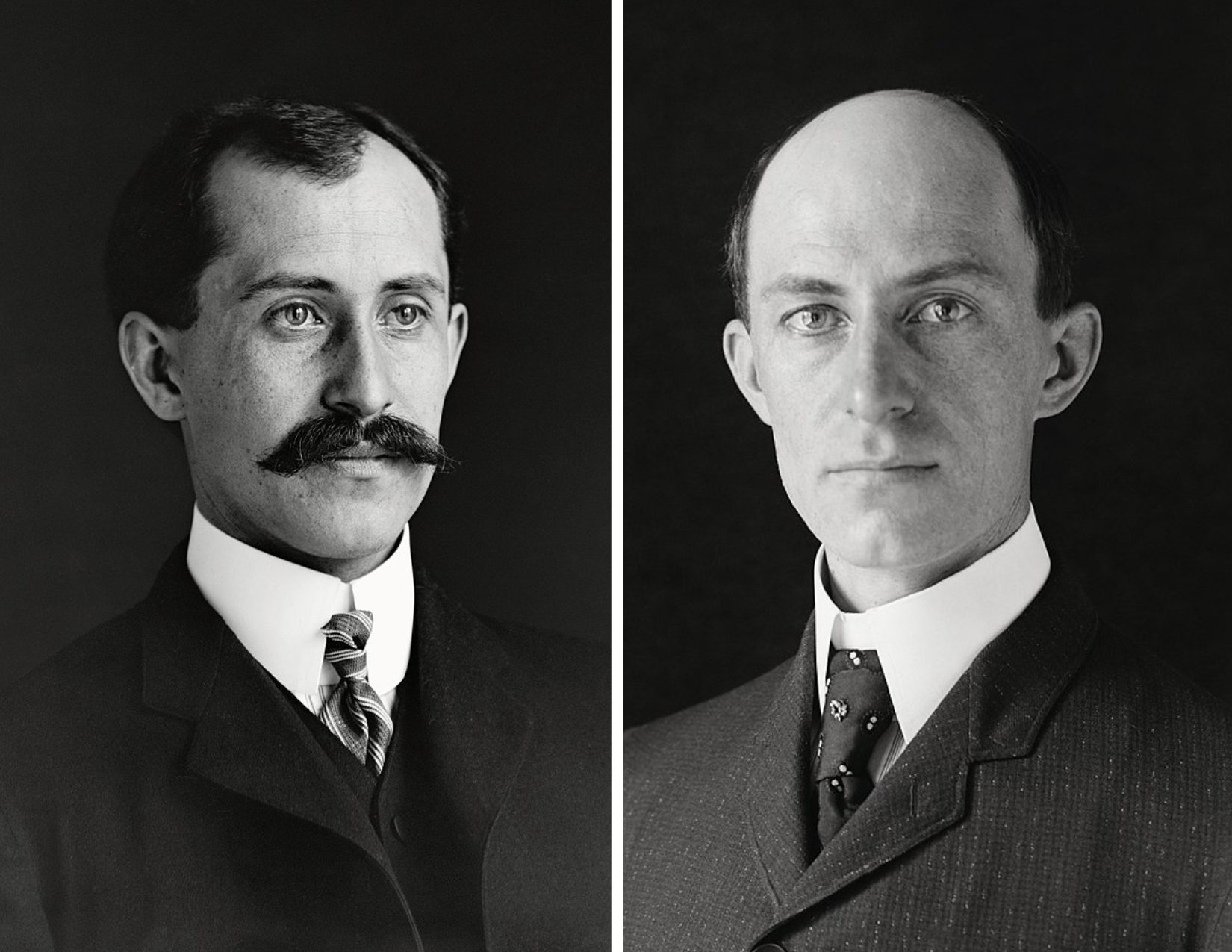
| 1. | Aeroplane |
Wright Brothers
|
| 2. | Air Conditioner |
Willis Carrier |
| 3. | Atom Bomb |
Otto Hahn |
| 4. | Braily System |
Louis Braille |
| 5. | Boson |
S.N Bose |
| 6. | Ball Pen |
Loud
|
| 7. | Cinema |
Lumiere Brother
|
| 8. | Celluloid |
Alexander Parkes |
| 9. | Coloured Photography |
Gabriel Lippmann |
| 10. | Diesel Engine |
Rudolf Diesel |
| 11. | Dynamite |
Alfred Nobel |
| 12. | Discovery of Solar System |
Nicolaus Copernicus |
| 13. | Electric Battery |
Alessandro Volta |
| 14. | Electricity |
Michael Faraday |
| 15. | Elevator |
Elisha Otis |
| 16. | Fountain Pen |
Lewis Waterman |
| 17. | Fahrenheit Scale |
Daniel Gabriel Fahrenheit |
| 18. | Film & Photographic goods - Kodak |
George Eastman
|
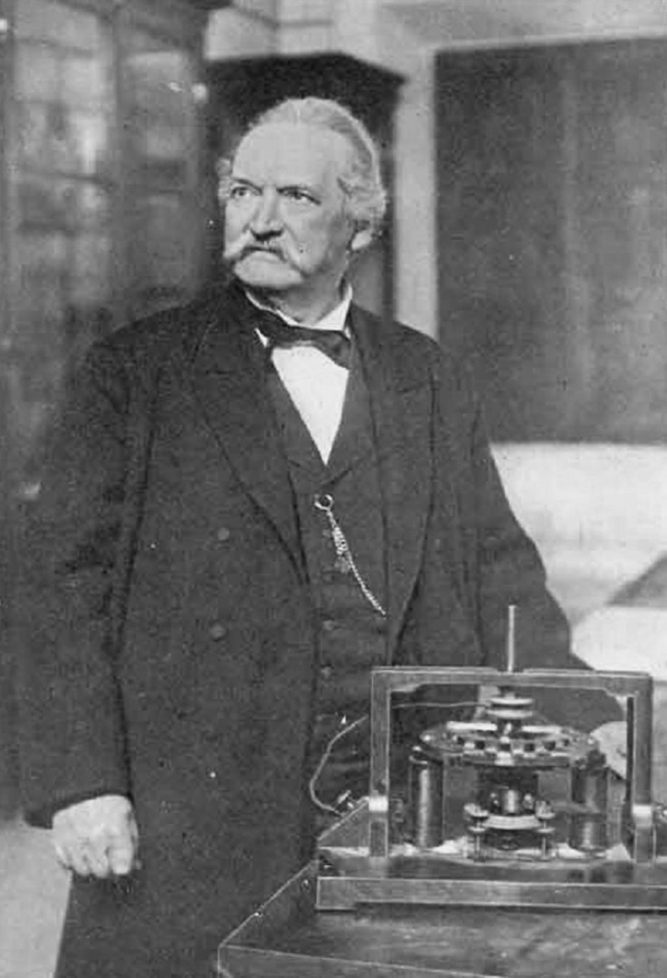
| 19. | Generator |
Piciontti
|
| 20. | Gramaphone |
Thomas Alva Edison |

 s
s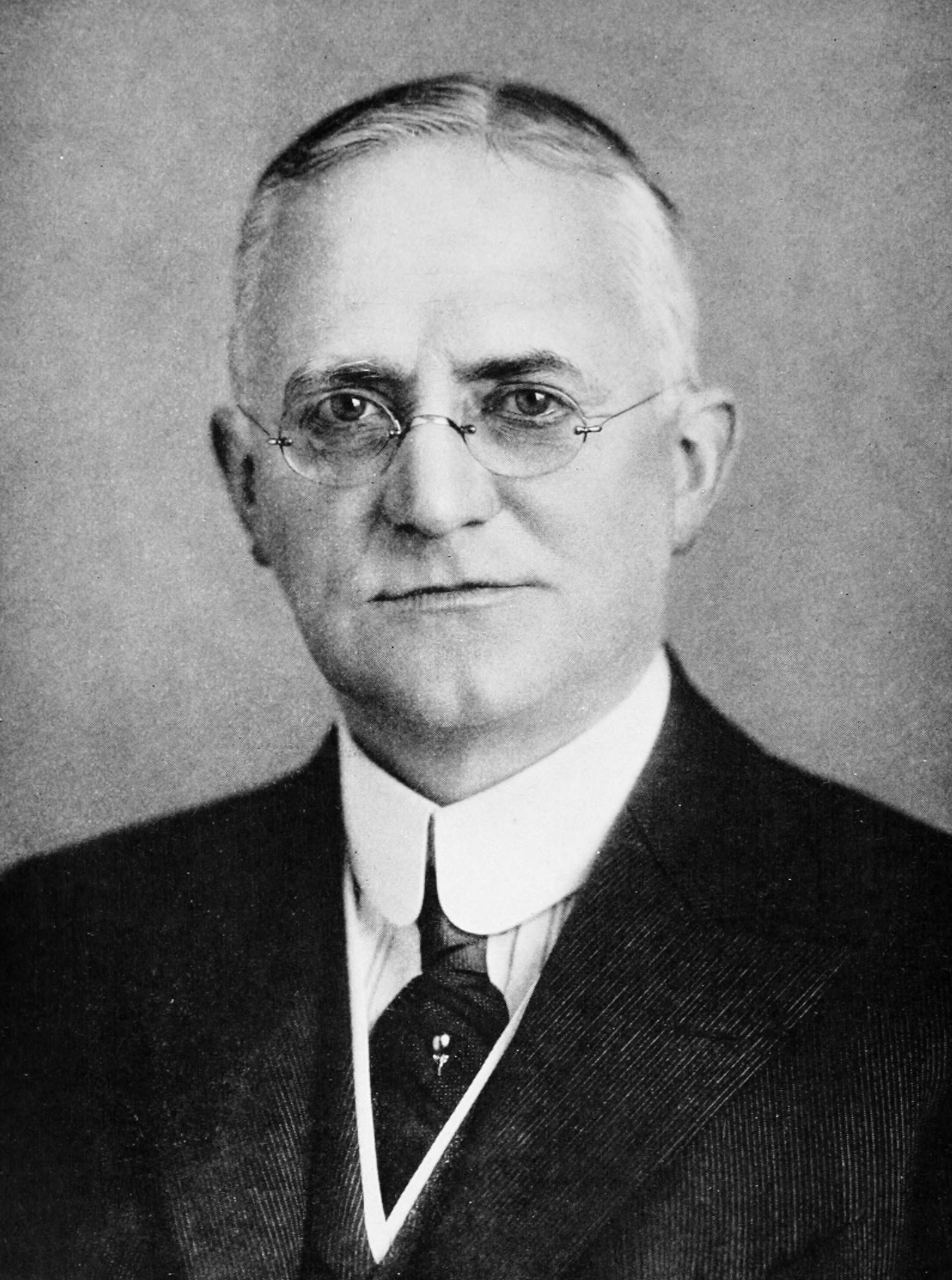
| 21. | Geometry |
Euclid |
| 22. | Hydrogen |
Henry Cavendish |
| 23. | Homoeopathy |
Samuel Hahnemann |
| 24. | Microbiology, Chemistry |
Louis Pasteur
|
| 25. | Aviation (Jet engine) |
Sir Frank Whittle |
| 26. | Physiology, Medicine (co-discovered insulin) |
Frederick Banting |
| 27. | Physics (induction coil) |
Heinrich Ruhmkorff |
| 28. | Psychology (intelligence test) |
Alfred Binet
|
| 29. | Mathematics, Physics, Astronomy |
Issac Newton |
| 30. | Physics Laser |
Theodore Maiman |
| 31. | Chemistry (Laughing Gas) |
Joseph Priestley |
| 32. | Polymath (electricity, printing, diplomacy) |
Benjamin Franklin |
| 33. | Firearms (Gatling gun) |
Dr Richard Gatling
|
| 34. | Microscope (early development) |
Hans and Zacharias Janssen
|
| 35. | Physics (Raman effect) |
C. V. Raman |
| 36. | Chemistry (discovered neon gas) |
William Ramsay and Morris Travers
|
| 37. | Physics (nuclear fission) |
Otto Hahn |
| 38. | Chemistry (nylon) |
Wallace Carothers |
| 39. | Chemistry (discovered oxygen) |
Joseph Priestley |
| 40. | Biology (evolution by natural selection) |
Charles Darwin |
| 41. | Medicine (discovered penicillin) |
Alexander Fleming |
| 42. | Engineering (pneumatic tire) |
John Boyd Dunlop |
| 43. | Printing (printing press in Europe) | Johannes Gutenberg
|
| 45. | Raman effect |
C.V.Raman |
| 46. | Physics, Chemistry (radioactivity) |
Marie Curie |
| 47. | Engineering (radio technology) |
Edwin Howard Armstrong (Alexanderson's work influenced radio transmission) |
| 48. | Physics (quantum theory) |
Max Planck |
| 49. | Engineering (steam engine) | James Watt
|
| 50. | Medicine (stethoscope) | René Laennec
|
| 51. | Engineering (early submarine) | David Bushnell
|
| 52. | Chemistry (thermos flask) |
James Dewar |
| 53. | Engineering (television) |
John Logie Baird |
| 54. | Astronomy, Physics (telescope) |
Galileo Galilei |
| 55. | Physics (nuclear fission) |
Otto Hahn |
| 56. | Astronomy (discovered Uranus) | William Herschel
|
| 57. | Medicine (vaccination) |
Edward Jenner |
| 58. | Chemistry (vulcanization of rubber) |
Charles Goodyear |
| 59. | Physics (wireless communication) |
Oliver Lodge |
| 60. | Engineering (wireless telegraphy) |
Guglielmo Marconi |
| 61. | Physics (X-ray) | Wilhelm Conrad Röntgen
|
Also read: List of Banks in India with their headquarters and current head
Inventions and discoveries by great scientists have transformed human life and continue to inspire innovation. Learning about them not only improves general knowledge but also helps in competitive exams.
Frequently Asked Questions
1. What is the difference between an invention and a discovery?
An invention is the creation of a new device, method, or process, while a discovery is finding something that already exists but was previously unknown or not understood.
2. Who invented the aeroplane?
The aeroplane was invented by the Wright Brothers, Orville and Wilbur Wright, in 1903.
3. Who discovered electricity?
Electricity was not invented but discovered and studied by many scientists. Michael Faraday made significant contributions to understanding electricity.
4. Who is known for the discovery of penicillin?
Alexander Fleming discovered penicillin in 1928, which became the first widely used antibiotic.
5. What is the Raman Effect and who discovered it?
The Raman Effect refers to the scattering of light when it passes through a medium. It was discovered by C.V. Raman, earning him a Nobel Prize in Physics.
6. Who invented the printing press in Europe?
Johannes Gutenberg invented the printing press in Europe, revolutionizing the spread of knowledge.
7. Why are questions about scientists important in competitive exams?
Questions about scientists and their inventions are important because they test general knowledge, scientific awareness, and historical understanding, which are key components of many exams.
8. Who developed the theory of evolution?
Charles Darwin developed the theory of evolution by natural selection, explaining how species evolve over time.
9. Who invented the steam engine?
James Watt improved and popularized the steam engine, making it a key invention of the Industrial Revolution.
10. What is the significance of scientific discoveries in daily life?
Scientific discoveries have improved healthcare, communication, transportation, and overall quality of life, making everyday tasks easier and more efficient.
How helpful did you find this article?
Thanks for the feedback! Your rating helps us improve future digests.
