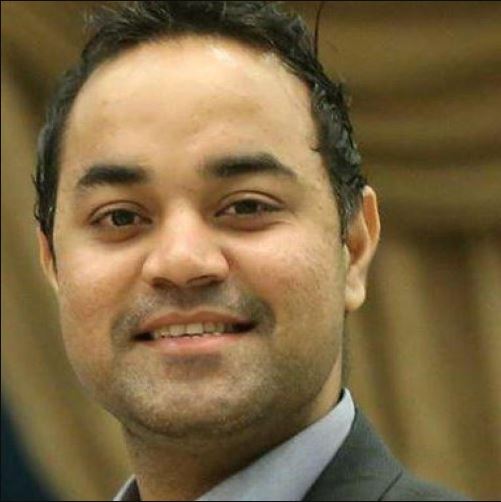
Most CAT stories start the same way. Months of preparation. The night before. The exam hall. The result. Vishan's story starts with a computer that refused to turn on.
He walked into the CAT exam centre and sat down to register. The PC stopped working. Half an hour passed just registration. When he finally got to his seat, the screen wasn't functioning properly. They replaced it. Then that system failed too. A technician showed up, logged a reason for the switch except he didn't actually type anything. The reason field was blank. The whole setup was chaos.
And Vishan sat in the middle of it, watching his exam time tick away, wondering what was going to happen next.
What happened next was 99.96 percentile. One of the highest CAT scores CATKing has ever seen achieved by a student with a 5.35 GPA, a gap year, and a CAT exam experience that would have rattled anyone.
But Vishan wasn't rattled. And understanding exactly why and how is the most valuable thing a CAT aspirant can read today.
Who Is Vishan? The Profile Behind the 99.96
Before the score, let's look at the person.
• Background: Engineer
• College GPA: 5.35/10 by any conventional measure, a profile that 'shouldn't' reach the top
• 12th Grade: 98.5 strong board performance, but college CGPA told a different story
• Gap Year: Yes was preparing for CA (Chartered Accountancy) before pivoting to CAT
• Work Experience: Interned at NMAN, active in NGO during college
• CAT Score: 99.96 percentile
• Convert: IIM Kolkata his very first interview
On paper, Vishan's CGPA would make many aspirants assume he's out of the running for the top IIMs. The interview panel at IIM Kolkata didn't even bring it up beyond a single question. And when Vishan mentioned 5.3, they moved on straight to his internship, his NGO work, and the experiences that actually made him interesting.
The CAT Exam That Almost Wasn't
Vishan arrived, sat down, and tried to register on the system. The PC stopped working. Thirty minutes of his pre-exam calm gone. When registration finally cleared, he got to his seat. The screen wasn't functioning. They swapped it. The replacement system had issues too. A technician arrived, was supposed to log the reason for the switch and logged nothing. A blank field.
At this point, most people would have been in full panic mode. Heart racing. Thoughts spiralling. What if this affects my result? What if there's a technical error? What if they don't count my paper?
He activated what he calls the JEE mentality the engineering mindset he'd built over years, if a question isn't working, switch. Don't fight it. Move. Keep flowing forward. He carried that same approach through every section of CAT, and it resulted in:
• English (VARC): 20 questions attempted, 18 correct
• Quant: 12–13 correct his relatively weaker section, and still exceptional
• Overall: 99.96 percentile
The chaos before the exam didn't touch him because he had decided, before the first question appeared, that results were not his job.
The Mindset That Built a 99.96 Percentile Score
Vishan's exam performance wasn't luck. It was the output of a very specific mental framework one that every CAT aspirant should understand and deliberately build.
One Question at a Time
The biggest enemy in a high-stakes exam isn't the paper it's the mind running ahead of itself. Thinking about the next section while answering this one. Calculating scores mid-exam. Catastrophising over a question that went wrong.
Vishan eliminated all of that. His only job, from the moment he started, was the question in front of him. Not the next one. Not the result. Just this one.
The Engineer's Switch Reflex
Years of engineering problem-solving had wired him for this: if it's not happening, switch. Don't burn time on a stuck question. Flag it, move on, come back. This is the single most important tactical skill in CAT and Vishan had internalised it so deeply it was automatic.
Detachment From the Outcome
Here's something Vishan said that most toppers say in different words: he wasn't focused on getting a good result while he was in the exam. He was focused on the process answering, moving, staying calm.
The result took care of itself.
Letting Go of Silly Mistakes
Even at 99.96 percentile, Vishan made mistakes. He missed a 'what is NOT the answer' type question marked the wrong option. He knew it the moment it happened.
And here's what he didn't do: he didn't dwell on it. He didn't let it become a spiral that cost him the next three questions. He filed it, moved on, and kept his head clear.
After the exam, he was still thinking about those two or three questions. Still slightly distressed. Even at 99.96. Which means the difference between a great score and a wasted one isn't perfection it's emotional management in real time.
The IIM Kolkata Interview
Vishan walked into IIM Kolkata's interview room for his very first MBA interview. 5.35 GPA in hand. Gap year on his resume. A profile that, by conventional wisdom, should have triggered a grilling on academics.
The panel asked him his GPA. He said 5.3.
And they moved on.
Not because they didn't notice. Not because they missed it. But because the rest of his profile gave them far more interesting things to talk about.
• His internship at NMAN what he did, how he worked, what he learned
• His NGO involvement during college the kind of work that shows character, not just capability
• His composure and confidence in the room he walked in smiling, answered every question relaxed, and left the same way
He went into his first-ever IIM interview a panel that could have destroyed his confidence by dissecting his CGPA and came out having held a genuine conversation.
What Vishan's Story Means for Your Low CGPA
Let's be direct about this, because thousands of CAT aspirants lose sleep over a number on a transcript.
Vishan's CGPA was 5.35. IIM Kolkata didn't ask a single follow-up question about it.
That doesn't mean your CGPA is invisible it will appear on your form, it will be seen. But here is what actually happens in an interview room: panelists go where the conversation is interesting. They're not there to make you feel bad about a number from three years ago. They're there to figure out if you're someone worth spending two years training.
So what makes you worth training?
• Real work experience with genuine impact Vishan's internship gave the panel something to dig into
• Involvement beyond the classroom his NGO work showed values and initiative
• The ability to hold a room calm, confident, prepared to talk about things that actually matter
• A CAT score that says you can do the work which Vishan had, definitively
Your CGPA is one data point. Build enough other data points and the panel will naturally spend their time there instead.
Vishan's Preparation
Vishan doesn't go into granular daily routines in the session, but he's clear about what moved the needle:
The CATKing Dashboard
Like Varun before him, Vishan points directly to the CATKing dashboard the content, the structure, and most critically, the interview preparation lectures that built his confidence going into Kolkata.
Mock Exams as Simulation
The reason Vishan could stay calm through a PC failure and a system switch on exam day is because he had simulated pressure before. Mock exams, taken seriously and analysed carefully, build the mental muscle memory to handle chaos.
By the time the real CAT arrived, Vishan had already practised staying calm under pressure so when the pressure arrived in a form he didn't expect, the calm was already there.
Interview Preparation as a Separate Skill
Vishan's IIM Kolkata interview performance wasn't a happy accident. He prepared for it through CATKing's interview prep sessions, through understanding how to frame his profile, and through building the kind of relaxed confidence that panelists respond to.
The interview is a different game from CAT. It rewards different skills. Treat it as such.
Key Lessons From Vishan Every CAT Aspirant Must Internalize
• Calm is a skill, not a personality trait. Vishan wasn't born relaxed in exam halls. He built that composure through preparation and practice. You can too.
• One question at a time always. The result lives in the future. The question is right now. Stay there.
• The switch reflex wins marks. If a question isn't moving, move on. The JEE mentality Vishan describes is a learnable tactical skill for any background.
• Mistakes don't compound unless you let them. Vishan made silly errors at 99.96 percentile. The difference is he didn't let them bleed into the next question.
• Your CGPA is not your story. 5.35, IIM Kolkata. One question about GPA. Zero follow-up. Build your story in the spaces your GPA doesn't reach.
• The interview room rewards warmth and confidence. Walk in smiling. Be genuinely interested in the conversation. Panelists are human beings. Meet them there.
Frequently Asked Questions (FAQs)
Q1: Can I get into IIM with a low CGPA like 5.35?
Yes. Vishan's CGPA was 5.35 and he converted IIM Kolkata. A strong CAT score (99+ percentile) combined with meaningful extracurriculars, work experience, and a strong WAT-PI performance can significantly offset a low CGPA. IIM panels are looking for the most capable, interesting person not the highest GPA.
Q2: What should I do if something goes wrong during the CAT exam?
Exactly what Vishan did breathe, and focus on one question at a time. Technical issues during CAT are not uncommon and the official process accounts for them. The worst thing you can do is let external chaos create internal chaos. Your job is to answer questions. Do that.
Q3: Does a gap year hurt my IIM application?
Not necessarily. A gap year that you can speak to confidently with a clear reason, a clear activity (like CA preparation, as in Vishan's case), and a clear narrative is manageable. What hurts is a gap year you can't explain. Be prepared to own it and frame it honestly.
Q4: How important is the JEE mentality in CAT?
Very. The core habit if it's not working, switch and move is one of the most valuable tactical skills in CAT. It prevents time waste on stuck questions and keeps your momentum alive throughout the paper. Non-engineers can and should deliberately practise this in mocks.
Q5: How did Vishan stay calm in the IIM Kolkata interview despite a low CGPA?
He prepared so thoroughly that the CGPA became a small detail in a much larger, more interesting conversation. His internship experience, NGO work, and the confidence built through CATKing's interview prep sessions gave the panel far more compelling things to discuss. When you build enough substance, the CGPA question answers itself quickly and the conversation moves forward.
Q6: What is the most common mistake CAT aspirants make during the exam?
Letting one bad question or one bad section affect the rest of the paper. Vishan was explicit about this: even small mistakes at 99.96 percentile distressed him after the exam. The difference is he didn't let that distress happen during it. Compartmentalise. Move on. Keep your head clear for what's next.
How helpful did you find this article?
Thanks for the feedback! Your rating helps us improve future digests.
